Need home concrete driveways in Nissequogue?
- Plan your driveway or patio first
- Request an estimate
- Compare written quotes
- No obligation to hire
No obligation
Request an estimate in minutes
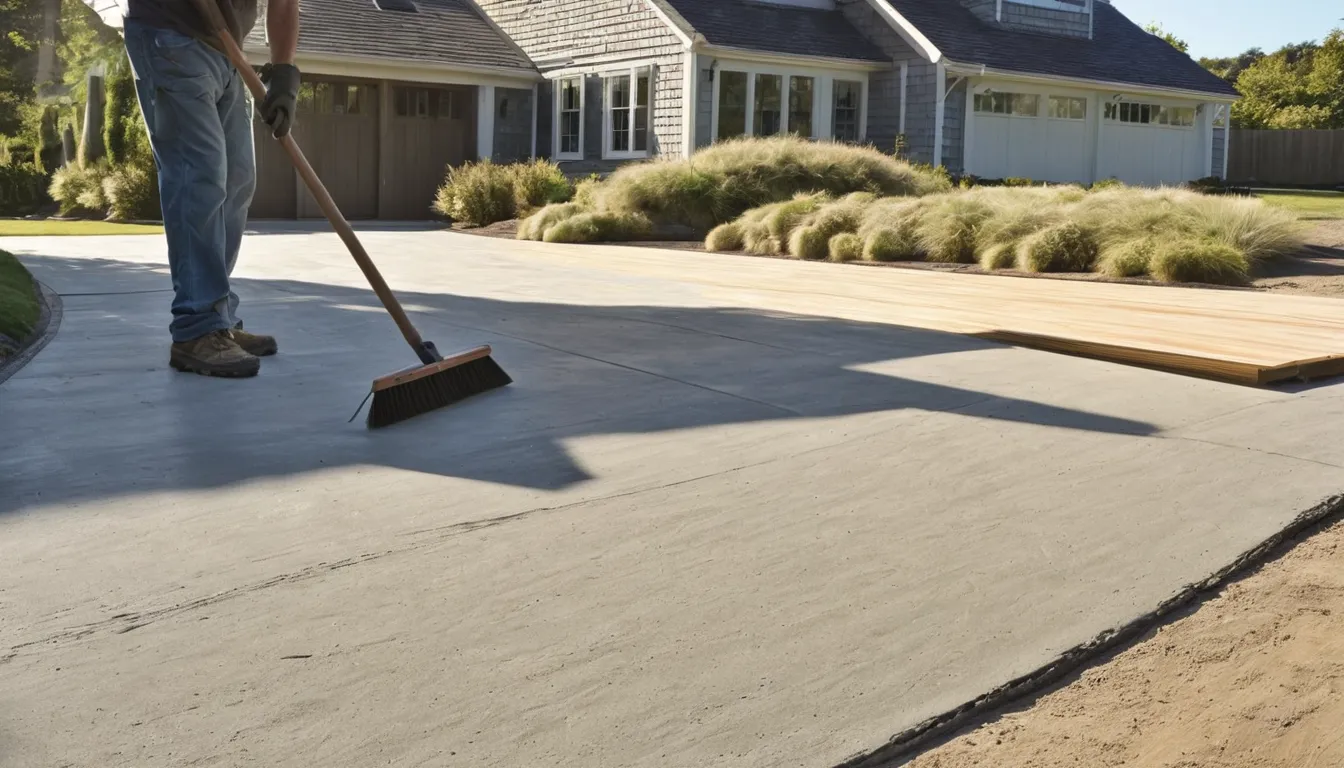
A new concrete driveway is a big first purchase for many homeowners. The questions pile up fast. How thick should it be? Does it need a permit? What should a quote include? This page answers them in order.
Starmotorsdf Concrete is a referral service. You describe the project, request an estimate, and get matched with an independent local provider in the Nissequogue area. The provider does the work, and you compare written quotes before you decide. Use the checklists below to know what to expect and what to ask before you sign.
Maybe you just bought an older home, or the slab outside is falling apart. Either way, work through this page in order. First the warning signs, next the project steps, then how to pick a provider.
Starmotorsdf Concrete does not pour concrete. It refers you to independent providers in our network who do.
Walk the driveway with a notepad. Look for:
One or two of these may be minor. Several together usually point to a slab at the end of its life.
Not every flaw means a full tear-out. Concrete driveway repair, such as sealing a hairline crack, can be enough for a slab that is still level and solid. A provider can tell you which path fits. Ask for both options in writing if you are unsure.
Some driveway problems start underground. Water that runs toward the house can soak the soil near the foundation. Older homes with stone or block foundations and full basements are most at risk. If you see damp basement walls or a slab that slopes toward the house, ask the provider about grading and drainage. Foundation repair experts handle structural issues, which are a separate job from flatwork.
Here is the usual order of work:
1. Mark the layout and measure the area. 2. Remove the old slab, if there is one. 3. Grade the ground so water drains away from the house. 4. Add and compact a gravel base. 5. Set forms and place reinforcement. 6. Pour, level, and finish the concrete. 7. Cut control joints so cracks follow planned lines. 8. Cure the slab and clean up.
Driveways fall under concrete flatwork, the trade term for flat slabs like walks and pads. Choose a provider who does this work often.
Decide these three things before you collect quotes:
If you want a pattern or color, ask for that as a separate line on the quote.
Cold, snowy winters are hard on concrete. Water seeps in, ices up, and pushes the slab apart. A solid gravel base helps water drain. Air-entrained concrete resists frost damage, so ask if the mix is made for cold climates. Road salt and coastal storm spray can also wear the surface, so ask about sealing.
The apron is the part of the driveway where it meets the street. Many towns control it, and some have their own rules for width, slope, and materials. Ask the provider who handles permits. First, check with your local building or public works office. Next, confirm in writing who pulls the permit and who pays the fee. Do not skip this step.
Get at least two or three written quotes. Compare the same scope on each. Do not compare only the bottom line.
Get it in writing, every time.
Fresh concrete needs patience.
Ask the provider when to seal, and how often to reseal. Shovel with a plastic blade to protect the surface.
First, measure your space and note your wishes. Next, send your request. Then compare what comes back, line by line.
Breaking out and hauling away the worn driveway so the new one starts on a clean site.
Shaping the ground and packing gravel so water drains and the slab stays supported.
Setting edges and adding steel or mesh to help hold the slab together.
Placing, smoothing, jointing, and curing the concrete, then cleaning up the site.
These are typical U.S. ranges, and real prices vary by site, size, and local rates. Always get a written quote that lists what is included.
| Item | Typical range | Notes |
|---|---|---|
| Plain concrete driveway | $6 – $12 per sq ft | Depends on thickness, access, and mix. |
| Two-car driveway, full job | $3,500 – $8,000 | Roughly 400 to 600 square feet. |
| Old slab removal | $1 – $3 per sq ft | Higher if the old slab is thick or reinforced. |
| Gravel base and grading | $1 – $3 per sq ft | Poor soil or slopes can add to the total. |
| Decorative finish or color | $2 – $8 per sq ft | Added on top of the plain slab price. |
| Permit and street apron work | $50 – $1,000 | Varies by town and the apron's condition. |
Share the size, the current condition, and any finish you want for the new driveway.
Send the form, or request a callback to check provider availability in your area.
Review scope, thickness, base, and permits line by line before choosing anyone.
Ask before you sign, get the plan in writing, and set a pour date.
Each page lays out what to do first, next, and then, so nothing gets missed.
Providers in our network work near you and know local weather, soil, and permit habits.
You can compare itemized quotes side by side before you choose, with no obligation to hire.
We refer you. The provider does the work and stands behind the job.
A well-built concrete driveway often lasts 25 to 30 years or more. Lifespan depends on the base, thickness, mix, drainage, and how harsh your winters and road salt are.
Many providers say to stay off for about a week and keep heavy trucks off longer. Cold weather can slow curing, so ask your provider for a date that fits your pour.
Often yes, especially if the work touches the street apron or changes the driveway's width. Rules vary by town. Check with your local office and ask the provider who handles the permit.
Ready to start a driveway or patio? Request an estimate and a local provider from our network will reach out. Or email contact@starmotorsdf.space with questions.
No obligation