Need residential concrete patios in Nissequogue?
- Plan your driveway or patio first
- Request an estimate
- Compare written quotes
- No obligation to hire
No obligation
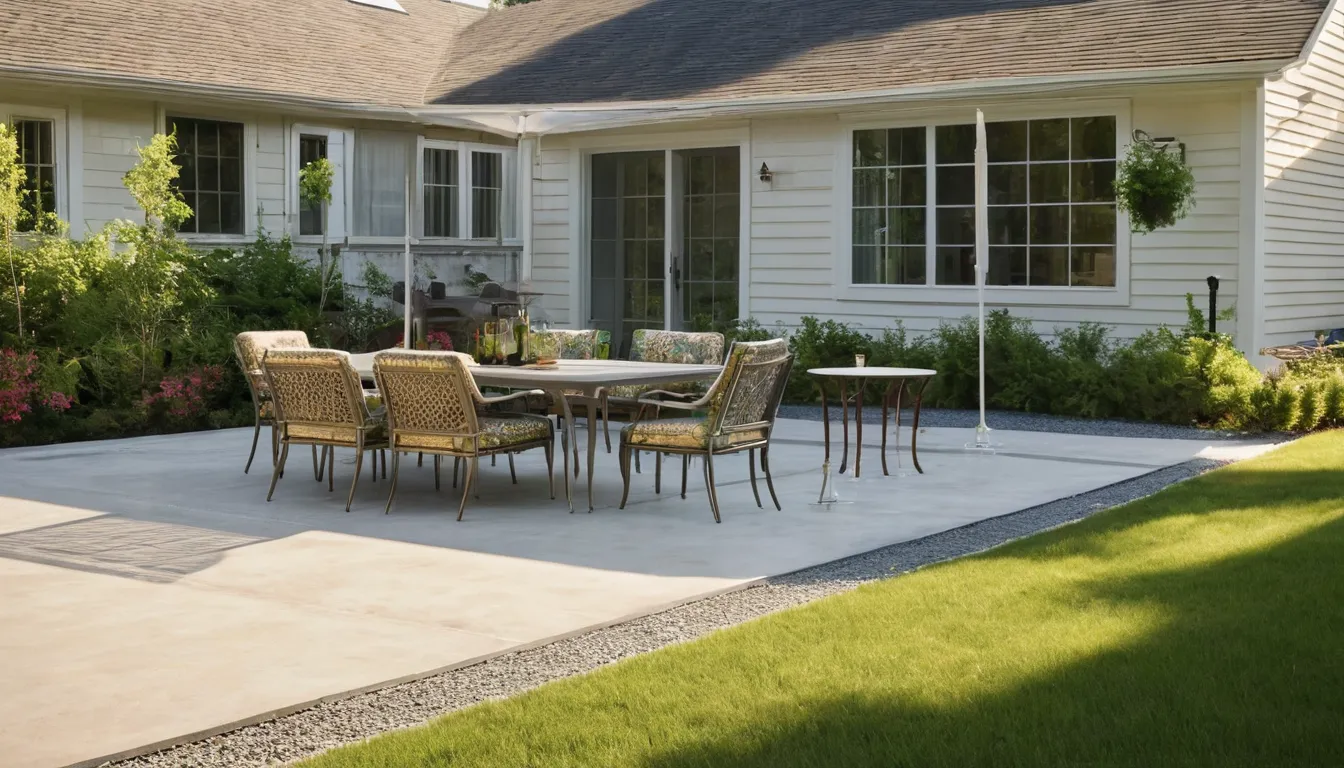
A concrete patio is a flat, poured outdoor floor for chairs, tables and a grill. It is a big first project for many homeowners, and the details matter. Size, base, slope and finish all affect how long it lasts.
Starmotorsdf Concrete is a referral service. You request an estimate, and we connect you with an independent provider in our network. The provider does the work, not Starmotorsdf Concrete. This page walks you through the process in order, so you know what to ask and what to compare before you agree to anything in Nissequogue or the Nissequogue area.
A concrete patio is a poured slab of flatwork beside or behind your home. A local provider prepares the ground, builds forms, pours, finishes and cures it. Starmotorsdf Concrete does none of that work. We match you with independent providers in our network, and you compare their written quotes.
Concrete is firm and flat. Chairs, tables and grills sit on it without wobbling. It also comes in many looks, from a plain broom finish to patterns that copy stone or brick. Costs vary by job, but concrete is often a middle-priced choice compared with pavers or natural stone.
Most jobs follow this order:
Walk your yard first. Note where the sun lands, where wind hits and where snow piles up. Keep the patio clear of septic lines, wells and buried utilities. Some towns require a permit above a certain size, and property-line setbacks may apply. Providers often know local rules, but the responsibility stays with you, so ask.
Measure before you request quotes. Set chairs and a table on the lawn, or mark the edges with string. Then add room to push a chair back. Rough starting points:
Your yard and budget decide the final size.
Water should run away from the foundation. Most patios are poured with a slight slope for this reason. Ask each provider how much slope they plan and where the water will go.
Many homes in this area are older, with stone or block foundations and full basements. A patio that sends snowmelt toward the wall can lead to a damp basement. If you already see cracks or leaks, talk to foundation repair experts before pouring anything against the house. Fix first, then build.
Four common choices:
Stamped concrete patios have patterns pressed into fresh concrete to mimic brick, slate or wood. They cost more and need skilled hands, because timing matters during the pour. Ask to see photos of past stamped work. Sealing is part of both the look and the upkeep.
Winters here bring snow, freeze-thaw cycles and coastal storms. Water that soaks into concrete can freeze and expand, which leads to flaking. Ask each provider about:
Cold-weather pours need extra care. Many projects wait for spring, so start asking early.
Starmotorsdf Concrete cannot vouch for licenses, so check them yourself.
Clear and specific. For example: 'Four inches of concrete on compacted gravel, with joints every few feet.' A good provider explains why, and is happy to put it in writing.
Get it in writing. Line up two or three quotes side by side. Check size, thickness, finish, sealing, old-slab removal, haul-away and cleanup. A low price with missing items is not a real saving. The differences usually hide in the details.
Request a callback to check provider availability, or use the request form if you prefer to compare in writing.
First, keep heavy loads off until your provider says it is safe. Next, keep the surface clean. Then, seal on schedule.
Good weather windows are short in cold regions. Providers tend to book up in spring and early summer. Request an estimate a few weeks ahead so you have time to compare quotes without rushing.
The provider marks the footprint, checks for buried utilities and confirms the slope before any digging starts.
Sod comes out, gravel goes in and gets compacted, and forms shape the edges of the slab.
Concrete is placed, leveled and finished, with joints cut to guide where cracks form.
The slab cures for several days, then a sealer protects the surface from moisture.
These are general U.S. ranges. Your price depends on size, access, soil, finish and local labor. Treat them as a starting point, and get a written quote from each provider.
| Item | Typical range | Notes |
|---|---|---|
| Basic broom-finish slab | $6 – $12 per sq ft | Plain gray, standard thickness |
| Stamped or colored finish | $12 – $22 per sq ft | Pattern and color raise labor |
| Mid-size patio, about 12 by 16 ft | $2,000 – $4,500 | Basic finish, simple shape |
| Grading and gravel base | $500 – $2,500 | Depends on slope and soil |
| Sealer | $1 – $3 per sq ft | Resealing is needed over time |
| Old slab removal | $2 – $6 per sq ft | Includes haul-away in many quotes |
Tell us the patio size, finish idea and location. The form takes only a few minutes.
We connect you with an independent provider in our network who handles patio projects.
Review scope, thickness, finish and cleanup in each quote before you decide.
Pick your provider, confirm the start window and get the agreement in writing.
Each step is laid out in order, so you know what comes next.
Know what to ask each provider and what a solid answer sounds like.
Local providers in our network do the work, and you choose which quote to accept.
Compare scope, materials and finish side by side, with no obligation to hire.
Many residential patios are poured about four inches thick on a compacted gravel base. Heavier loads or poor soil may call for more. Ask each provider to state thickness and base in the written quote.
Light foot traffic is often fine after a few days, but full strength takes weeks. Your provider will say when furniture and heavy items can go back. Follow their timeline.
It can be, if you want a brick or stone look. It costs more than a plain finish and needs regular sealing. Ask providers to show past stamped work first.
Ready to start a driveway or patio? Request an estimate and a local provider from our network will reach out. Or email contact@starmotorsdf.space with questions.
No obligation